
Culinary Uses of Ori Sorgho: Unlocking the Potential of an Ancient Grain
- ORI SORGHO
- 7 juil.
- 4 min de lecture

When it comes to healthy and sustainable food ingredients, ancient grains are making a strong comeback. Among these, ori sorgho stands out as a versatile, gluten-free grain with numerous culinary applications. Its rich nutritional profile and adaptability make it a favorite for both home cooks and food industry professionals. Today, I want to share with you the many ways you can incorporate this remarkable grain into your kitchen and product lines.
Exploring the Uses of Ori Sorgho in Cooking and Food Production
Ori sorgho is not just another grain; it’s a powerhouse of nutrients and a sustainable crop that thrives in diverse climates. But how exactly can you use it in your culinary creations? The answer is simple: in many ways! From traditional dishes to modern recipes, ori sorgho offers a unique texture and flavor that can enhance your meals.
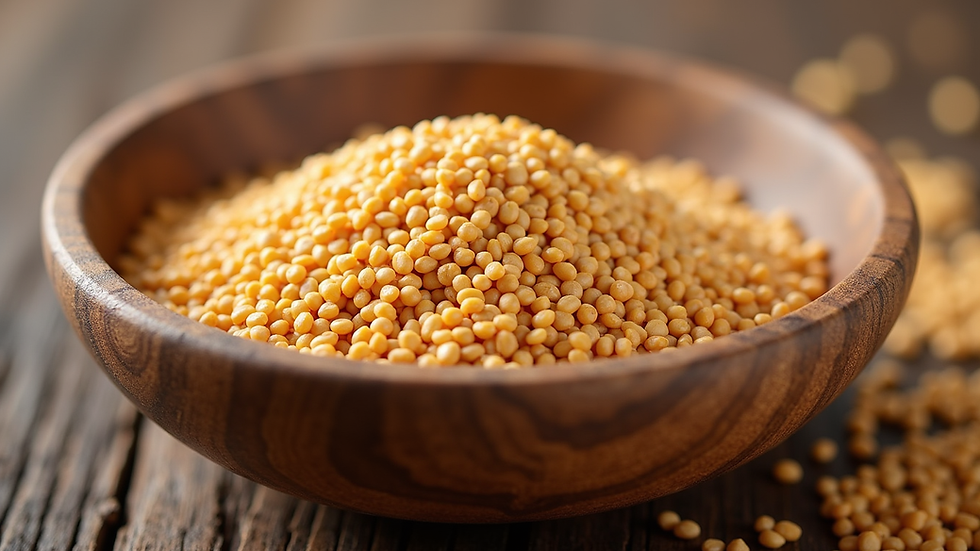
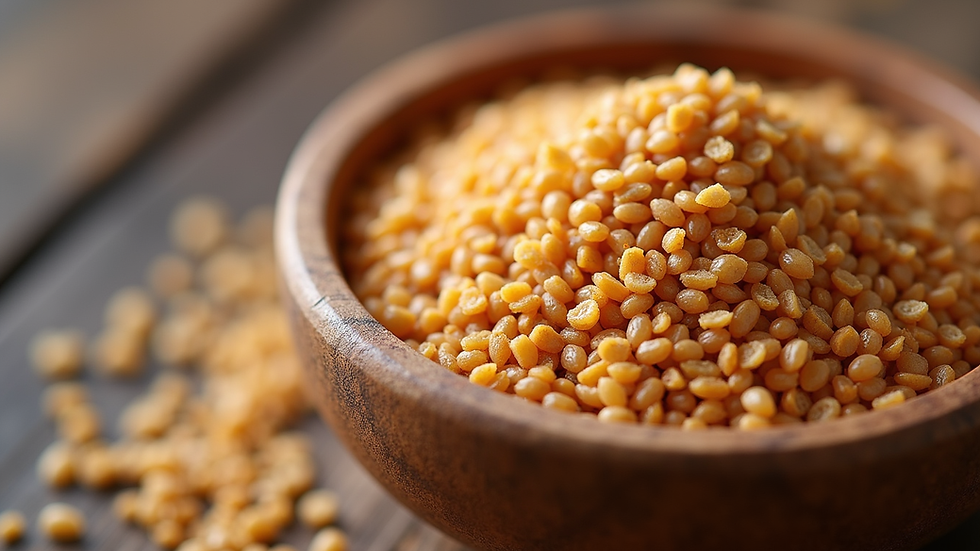
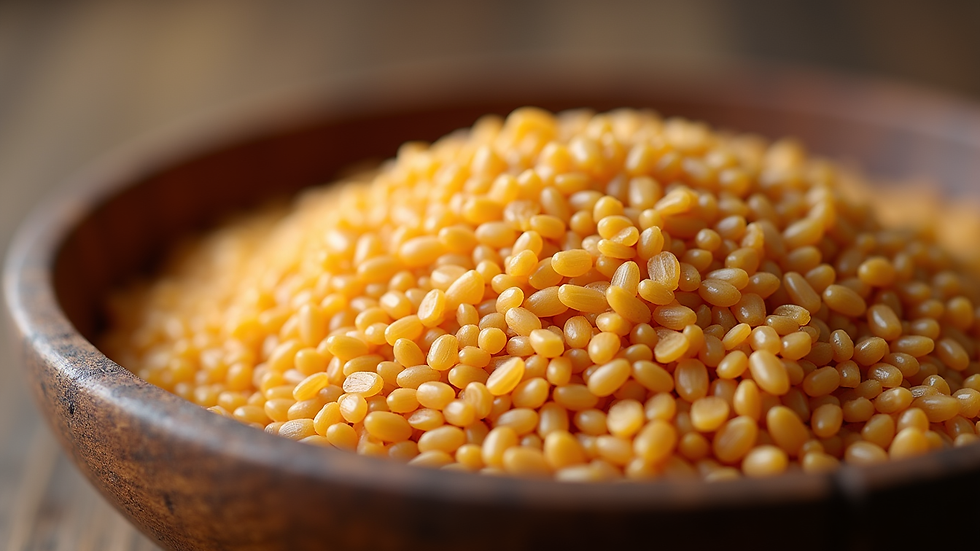
You can use ori sorgho as a whole grain, ground into flour, or even popped like popcorn. Its mild, slightly nutty taste pairs well with both sweet and savory ingredients. For example, cooking whole ori sorgho grains as a side dish is a fantastic alternative to rice or quinoa. It absorbs flavors beautifully, making it perfect for pilafs, salads, and grain bowls.
In baking, ori sorgho flour is a game-changer. It adds moisture and a subtle sweetness to bread, muffins, and pancakes. Plus, being gluten-free, it caters to those with gluten sensitivities or celiac disease. Food manufacturers are increasingly incorporating ori sorgho flour into gluten-free product lines, responding to growing consumer demand for healthier options.

Nutritional Benefits That Make Ori Sorgho a Superfood
Why should you consider ori sorgho over more common grains? The answer lies in its impressive nutritional profile. Ori sorgho is rich in fiber, antioxidants, and essential minerals like iron, magnesium, and phosphorus. These nutrients support digestive health, boost immunity, and contribute to overall well-being.
Moreover, ori sorgho has a low glycemic index, which means it helps regulate blood sugar levels. This makes it an excellent choice for people managing diabetes or those seeking sustained energy release throughout the day. Its gluten-free nature also makes it safe for people with gluten intolerance.
Incorporating ori sorgho into your diet can diversify your nutrient intake and promote a balanced, healthy lifestyle. Whether you’re a chef developing new recipes or a health-conscious consumer, this grain offers a delicious way to nourish your body.
How to Prepare Ori Sorgho for Everyday Meals
Cooking ori sorgho is straightforward, but a few tips can help you get the best results. Start by rinsing the grains under cold water to remove any dust or debris. Then, soak them for a few hours or overnight to reduce cooking time and improve digestibility.
To cook, use a ratio of 1 cup of ori sorgho to 3 cups of water or broth. Bring to a boil, then simmer for about 50 minutes until the grains are tender but still slightly chewy. Drain any excess liquid and fluff with a fork.
You can use cooked ori sorgho as a base for salads, mix it into soups for added texture, or serve it alongside roasted vegetables and proteins. For a breakfast twist, try cooking it with milk and cinnamon for a warm, porridge-like dish.
If you prefer baking, substitute up to 30% of wheat flour with ori sorgho flour in your recipes. This blend maintains the structure of baked goods while adding nutritional value.

Innovative Food Products Featuring Ori Sorgho
The food industry is embracing ori sorgho for its sustainability and health benefits. Many companies are developing innovative products such as gluten-free pasta, snack bars, and breakfast cereals using this grain. Its versatility allows it to be processed into flakes, flour, and even syrup.
One exciting trend is the use of ori sorgho in plant-based meat alternatives. Its protein content and texture make it an excellent ingredient for creating meat-like products that appeal to vegetarians and vegans.
Additionally, ori sorgho’s natural antioxidants help extend the shelf life of packaged foods, reducing the need for artificial preservatives. This aligns perfectly with the growing consumer preference for clean-label products.
For food professionals, incorporating ori sorgho into product development can open new market opportunities and meet the demand for nutritious, sustainable foods.
Tips for Sourcing and Storing Ori Sorgho
To enjoy the full benefits of ori sorgho, sourcing high-quality, organic grains is essential. Look for suppliers who prioritize sustainable farming practices and offer certified organic products. This ensures the grain is free from harmful pesticides and supports environmental health.
When storing ori sorgho, keep it in an airtight container in a cool, dry place. Proper storage preserves its freshness and prevents spoilage. Whole grains can last up to a year, while flour should be used within six months for optimal flavor.
Buying in bulk can be cost-effective, especially for food businesses. Just make sure to rotate your stock regularly to maintain quality.
Embracing a Healthier Future with Ori Sorgho
Incorporating ori sorgho into your culinary repertoire is more than just a trend - it’s a step towards healthier eating and sustainable food production. This ancient grain offers a wealth of possibilities for delicious, nutritious meals and innovative food products.
Whether you’re experimenting with new recipes at home or developing products for the market, ori sorgho provides a reliable, versatile ingredient that supports both personal health and planetary well-being. So why not give it a try and discover the many ways this grain can enrich your diet and your business?
By choosing ori sorgho, you’re not only nourishing your body but also contributing to a more sustainable food system. That’s a win-win worth celebrating!
Commentaires