
Sorghum vs Wheat Flour: What You Need to Know
- ORI SORGHO
- 22 juin
- 4 min de lecture

When it comes to choosing flours for cooking and baking, the options can be overwhelming. Two popular choices are sorghum flour and wheat flour. Both have unique qualities, nutritional profiles, and culinary uses. But how do they really compare? Today, I want to break down the differences and similarities between these two flours to help you make informed decisions for your kitchen or food business.
Whether you are looking for gluten-free alternatives, aiming to boost nutrition, or simply curious about ancient grains, this guide will cover everything you need to know about sorghum flour and wheat flour.
Understanding Sorghum vs Wheat Flour
Sorghum and wheat are both cereal grains, but they come from different plants and have distinct characteristics. Wheat flour is the most common flour worldwide, known for its gluten content that gives dough elasticity and structure. Sorghum flour, on the other hand, is made from an ancient grain that is naturally gluten-free and has been cultivated for thousands of years, especially in Africa and parts of Asia.
Here are some key differences:
Gluten Content: Wheat flour contains gluten, which is essential for bread-making and gives baked goods a chewy texture. Sorghum flour is gluten-free, making it suitable for people with celiac disease or gluten sensitivity.
Nutritional Profile: Sorghum flour is rich in antioxidants, fiber, and protein. It also contains important minerals like iron, magnesium, and phosphorus. Wheat flour varies depending on the type (whole wheat vs. refined), but generally has less fiber and antioxidants than sorghum.
Flavor and Texture: Sorghum flour has a mild, slightly sweet, and nutty flavor. Wheat flour has a more neutral taste, which is why it is so versatile in baking.
Culinary Uses: Wheat flour is the go-to for bread, pastries, and pasta. Sorghum flour works well in gluten-free baking, pancakes, muffins, and as a thickener in sauces.
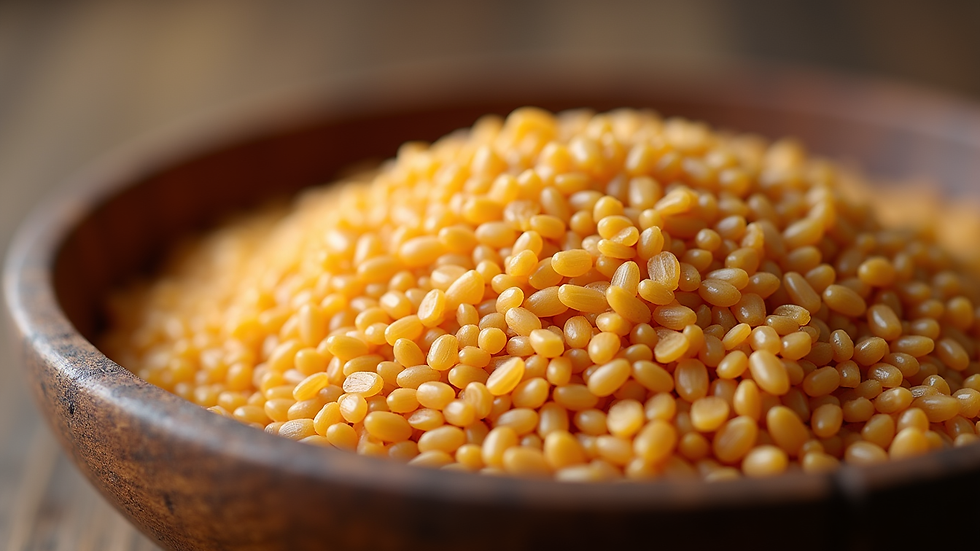
If you want to explore more about the differences, check out this detailed sorghum flour vs wheat flour comparison.
Nutritional Benefits of Sorghum Flour and Wheat Flour
Nutrition is a major factor when choosing between these flours. Sorghum flour stands out for its health benefits, especially for those seeking whole-food, gluten-free options.
Sorghum Flour Nutrition Highlights:
High in Fiber: Supports digestion and helps maintain blood sugar levels.
Rich in Antioxidants: Contains phenolic compounds that fight oxidative stress.
Gluten-Free: Safe for people with gluten intolerance.
Good Source of Protein: Helps with muscle repair and satiety.
Contains Essential Minerals: Iron, magnesium, and phosphorus contribute to overall health.
Wheat Flour Nutrition Highlights:
Varies by Type: Whole wheat flour retains bran and germ, providing fiber and nutrients. Refined wheat flour loses much of this during processing.
Contains Gluten: Important for baking but problematic for some individuals.
Good Source of Carbohydrates: Provides energy.
Contains B Vitamins: Important for metabolism and energy production.
For those focused on health and sustainability, sorghum flour offers a compelling alternative. It supports a "One Health, One Planet" philosophy by promoting organic, ancient grains that are better for the environment and human health.

Is Sorghum Hard on the Stomach?
One common question I hear is whether sorghum is hard to digest or causes stomach issues. The good news is that sorghum is generally well-tolerated by most people. Because it is gluten-free, it does not trigger the digestive problems associated with gluten-containing grains like wheat.
However, sorghum is high in fiber, which can sometimes cause gas or bloating if introduced suddenly or consumed in large amounts. To avoid discomfort:
Start with small portions of sorghum flour in your diet.
Drink plenty of water to help fiber move through the digestive system.
Combine sorghum with other grains or flours to balance texture and digestion.
People with specific digestive conditions should consult a healthcare professional before making significant dietary changes. But overall, sorghum is a gentle, nutritious grain that can be a great addition to a balanced diet.
Practical Uses and Baking Tips for Sorghum and Wheat Flour
If you’re wondering how to use these flours in your kitchen or food production, here are some practical tips:
Using Wheat Flour:
Ideal for bread, pizza dough, cakes, and pastries.
Provides elasticity and rise due to gluten.
Works well in recipes that require structure and chewiness.
Using Sorghum Flour:
Best for gluten-free baking like muffins, pancakes, and cookies.
Often combined with other gluten-free flours (e.g., rice flour, tapioca starch) for better texture.
Adds a mild sweetness and nutty flavor to recipes.
Can be used as a thickener in soups and sauces.
Tips for Baking with Sorghum Flour:
Mix with Binders: Use xanthan gum or guar gum to mimic gluten’s binding properties.
Adjust Liquids: Sorghum flour may absorb more liquid, so adjust recipes accordingly.
Experiment with Ratios: Start by substituting 25-30% of wheat flour with sorghum flour in recipes.
Use Fresh Flour: Sorghum flour can go rancid faster than wheat flour, so store it in a cool, dry place or refrigerate.
By understanding these differences, you can create delicious, nutritious recipes that cater to various dietary needs and preferences.
Why Choose Sorghum Flour for a Sustainable Future?
Sorghum is not just a healthy choice; it’s also an environmentally friendly one. This ancient grain requires less water and fewer pesticides than wheat, making it a sustainable crop for farmers and the planet.
Choosing sorghum flour supports:
Organic Farming Practices: Reducing chemical use and promoting soil health.
Biodiversity: Preserving ancient grains and traditional agriculture.
Climate Resilience: Sorghum thrives in dry, hot climates where other crops struggle.
Local Economies: Supporting farmers who grow sorghum sustainably.
For businesses and consumers alike, incorporating sorghum flour aligns with a commitment to health, sustainability, and ethical food production. It’s a smart choice for anyone looking to make a positive impact through their food choices.
Exploring the world of flours opens up exciting possibilities for health and flavor. Whether you stick with traditional wheat flour or venture into the realm of sorghum, understanding their unique qualities empowers you to make better decisions. I encourage you to try sorghum flour in your next recipe and experience the benefits of this ancient, gluten-free grain firsthand.

Commentaires